The house is ours
We signed at the notary. What it took to buy a village house in Spain, and who helped us get there.
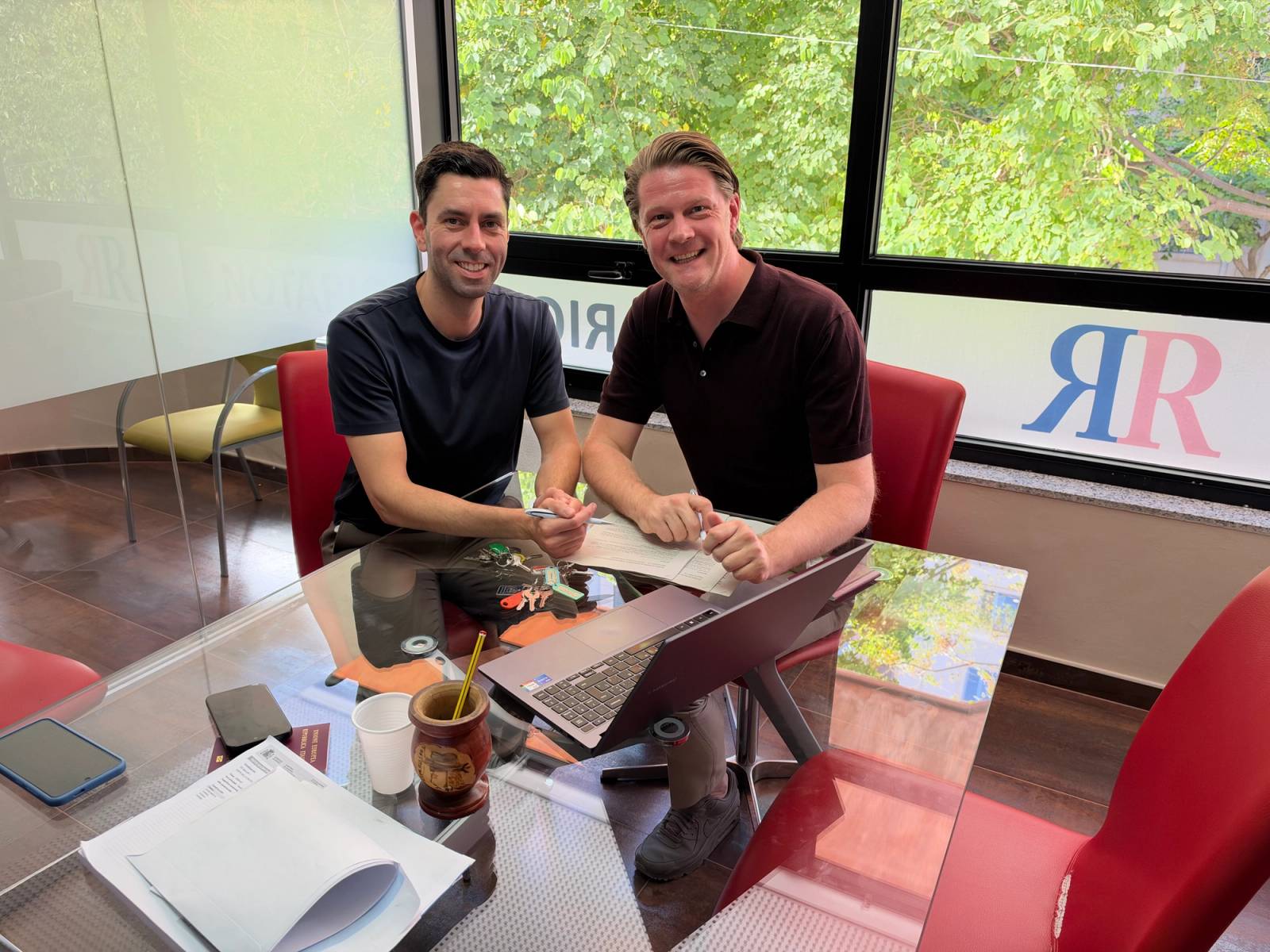
On 27 October 2026 we signed the deed at the notary in Alicante. The house on the Plaça Major of Sella is now ours.
For months it lived in emails, drawings and spreadsheets. Now there are keys.
Not quite Ik Vertrek
When we tell friends in the Netherlands what we are doing, almost everyone says the same two words: Ik Vertrek. For those outside the Netherlands, it is a long-running Dutch TV series that follows people who move abroad, often to open a B&B or a campsite. Part of the fun is watching them find out, once the removal van has gone, that they need a permit, a bank account and a few words of the language.
Our answer is usually that it is a bit like that, but we hope we did more homework first. This is what the homework looked like.
Buying in Spain is different
Buying a house in Spain is not like buying one in the Netherlands. More of the checking is up to you, the buyer, and what you miss can come back to haunt you after you sign.
We were lucky to find Lucía Ortega García of Orfium Lawyers. She went through a crazy amount of documents, like the nota simple, the extract from the land registry, and found that the floor area on record did not match the house. Most of the corrections were the seller’s responsibility, and all of them were made before we signed. Lucía also dealt directly with the seller’s estate agent, which saved us a great deal of back and forth. Without her, we would probably not have known. We could not recommend her more highly.
Check before you offer
A house is not a hotel. Ours is registered as residential, and turning it into a hotel needs the town hall to confirm that the use is allowed. Imagine buying a house and then finding out you cannot do what you bought it for.
So very early on, before we made a formal offer, we asked the town hall to check that a hotel was compatible with the planning rules for the building. Two things helped. Diego speaks Spanish, okay-ish Spanish, with plenty of mistakes, but he can hold a conversation. And he has a Cl@ve, the Spanish government’s digital identity, which let us arrange much of the paperwork online from the Netherlands, before we owned anything.
We also applied for the building licence before buying. It covers the renovation and the change of use to a hotel, and it was granted in two and a half months. We had heard many stories about Spanish permits taking years. Ours didn’t. Much of the credit goes to our architect, who met the town’s architect twice in person, and to the Ajuntament de Sella, which was quick to respond.
The right people
We met several architects before choosing José Costa, from Valencia. We felt the strongest connection with him. Jeroen is an interior designer himself, with Studio Hermanides, which will also run Casalvia Interiors. So we wanted a partnership, not a client and a supplier.
What we share is the idea of the house. It should respect Spain and Sella, while carrying our own experience. Most materials and brands will be local. There will be a little Dutch in it too, and a little Brazilian, where Diego’s roots are. A standard Spanish mattress is 190 cm long, and many guests from northern Europe are taller than that. Our beds will be longer, and made in Spain. The Valencian Community and Murcia have plenty of established makers.
For tax and accounts we went through the same process: a few conversations, one clear fit. Sonia Mira of M&M Consulting helped us set up the structure for owning the house and running the hotel, and looks after the company and its taxes. We are very glad we found her.
Signing day
After signing we drove straight to the house to celebrate, and to meet José there. We were flying back to Amsterdam the next morning, so the afternoon had to count.
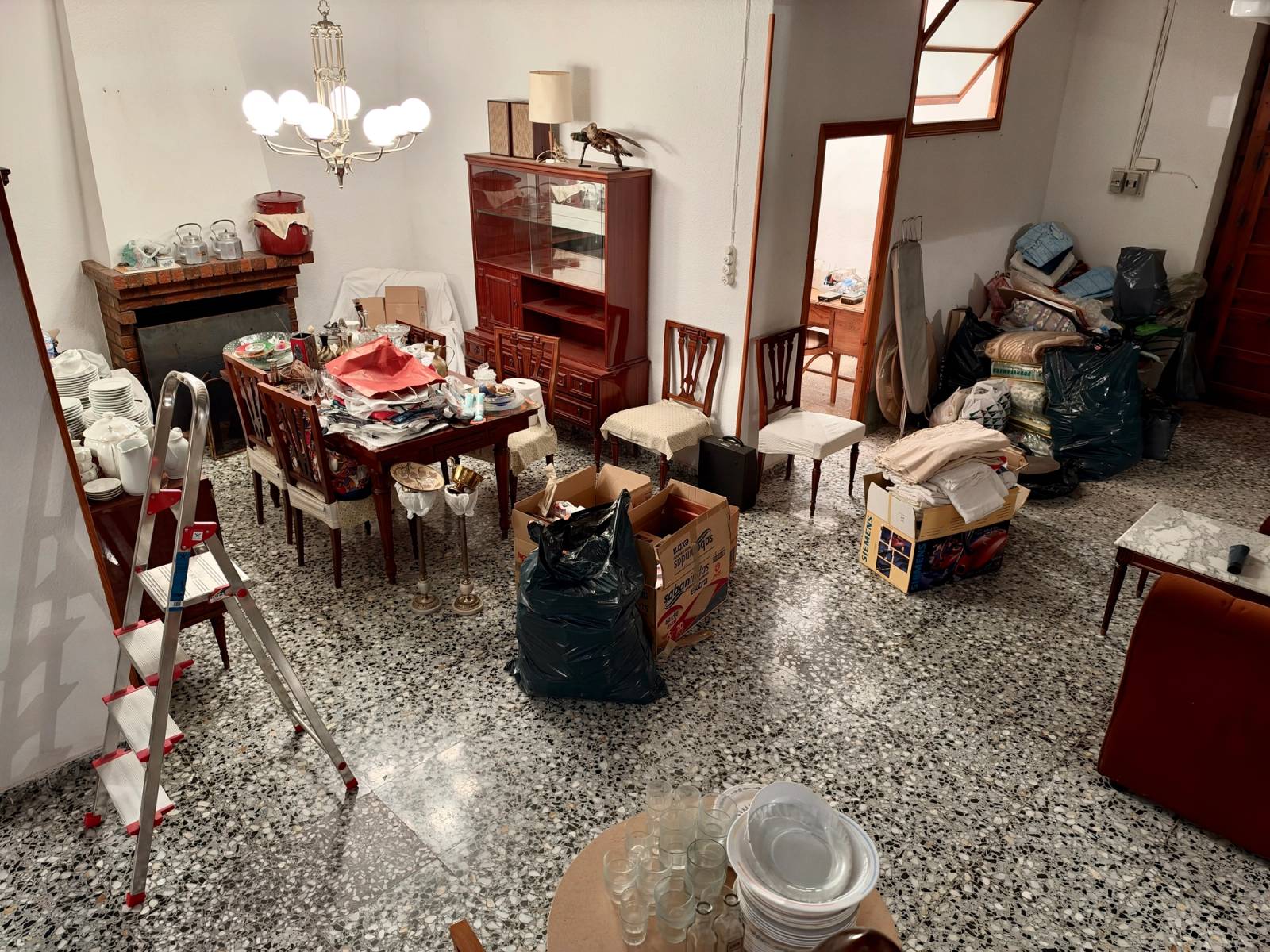
Standing inside as owners for the first time, we saw how full the house still is. All the furniture stayed, and a great deal more besides, down to calendars from the 1970s. That is a story for another note.
What comes next
The licence was granted on the proyecto básico, which sets out what will be built. José is now working on the proyecto de ejecución: the detailed technical project, with construction drawings, structure, installations and specifications. It is what builders price and work from. We aim to finish it by the end of the year, and then choose who will build it.
More about the renovation in a later note. For now, the house is ours, and we are one step closer to moving to Spain and living in the village.
Follow the project
We share the work on Instagram, as it happens.
Photos of the house, the village and the mountain as the work moves on. For anything else, write to us.